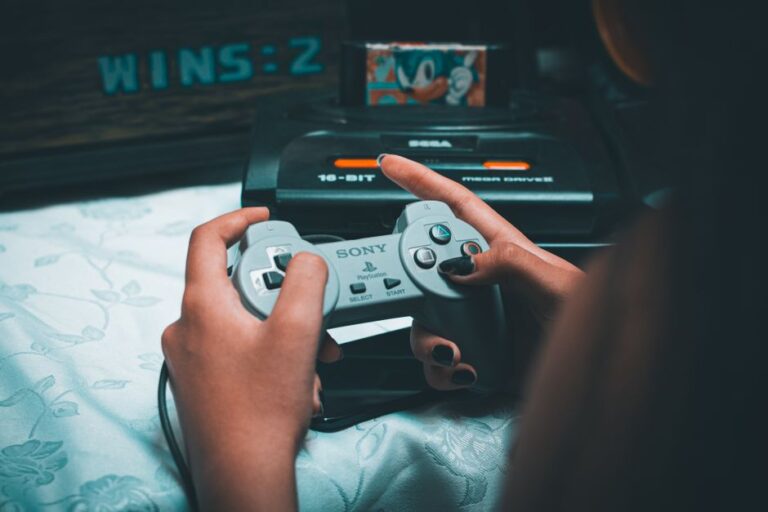
Reviving Nostalgia: How to Effectively Play Classic Games on Modern Platforms


Mastering retro game mechanics is essential for any gaming enthusiast who wants to appreciate the artistry and design of classic video games. This complete guide will explore the fundamental aspects of retro gaming, including the unique gameplay styles, design philosophies, and technological limitations that defined an era. By understanding these mechanics, players can enhance their gaming experience and gain a deeper appreciation for the classics.
Retro games, primarily from the 1970s to the 1990s, introduced innovative gameplay mechanics that laid the groundwork for modern gaming. Here, we will delve into various key mechanics that shaped the gaming landscape.
Platformers like “Super Mario Bros.” exemplified the importance of precise jumping and timing. Key elements include:
Combat mechanics in retro games varied widely, from turn-based systems to real-time action. Some notable features include:
Many classic games incorporated puzzles and exploration as core mechanics. These elements fostered engagement and creativity:
Retro games were developed within the constraints of their technology, which significantly influenced their mechanics. Understanding these limitations helps players appreciate the creativity behind classic titles.
Early gaming consoles had limited processing power and memory. This led to:
Many retro games were designed to be shorter than modern titles, focusing on replayability through:
In recent years, there has been a resurgence of interest in retro gaming, leading to the revival of classic mechanics in modern titles. Developers have embraced these elements while integrating new technology.
The indie game scene has flourished, with many developers drawing inspiration from retro mechanics. Key trends include:
Remakes of classic games have become popular, allowing modern players to experience beloved titles with updated graphics and mechanics. Examples include:
Retro game mechanics are characterized by their simplicity, unique design elements, and the limitations of the technology during their time of creation. They often focus on core gameplay principles such as platforming, combat, and puzzle-solving.
To master retro game mechanics, practice is essential. Play various classic games to understand their unique mechanics, learn enemy patterns, and develop your skills through repetition and exploration.
Yes, many modern indie games and remakes of classic titles incorporate retro mechanics, allowing players to experience nostalgic gameplay with updated graphics and features.
Retro games remain relevant due to their timeless gameplay, artistic design, and the nostalgia they evoke in players. They also serve as a foundation for understanding the evolution of modern gaming.
Popular retro games to explore include “Super Mario Bros.,” “The Legend of Zelda,” “Pac-Man,” and “Tetris.” These titles exemplify classic mechanics and are widely regarded as foundational in gaming history.
The appeal of retro games often lies in their simplicity and accessibility. Many players find joy in the straightforward mechanics that allow them to quickly understand and enjoy the game without overwhelming complexity.
Another significant factor contributing to the ongoing popularity of retro games is the vibrant community that surrounds them. Enthusiasts often gather online to discuss strategies, share tips, and celebrate achievements, creating a sense of camaraderie among players.
Preserving retro games is crucial for maintaining the history of the gaming industry. Organizations and dedicated fans work tirelessly to archive and restore these classic games, ensuring that future generations can appreciate their significance.
In conclusion, retro games continue to captivate players for various reasons, including their simplicity, community engagement, and historical importance. As the gaming landscape evolves, these classic titles will likely remain a cherished part of gaming culture.