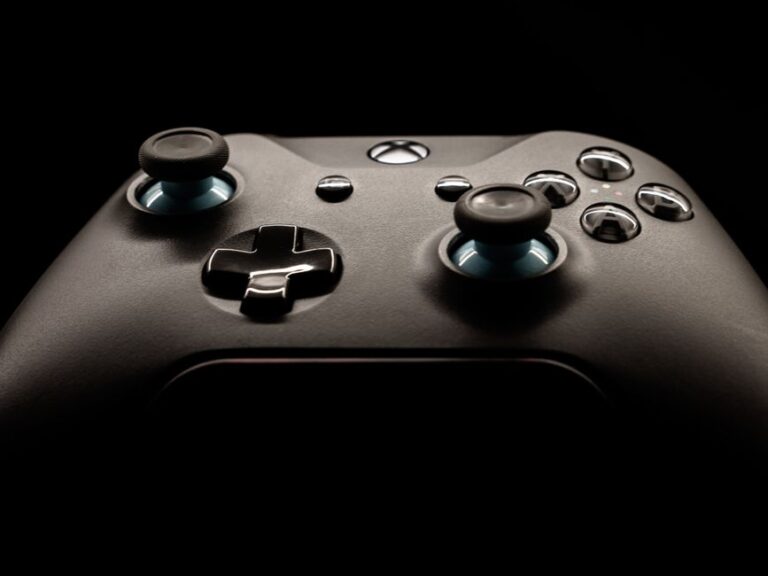
When it comes to gaming, choosing the right controller can significantly impact your overall experience. The debate between wired and wireless gaming controllers has been ongoing for years, with each option offering distinct advantages and disadvantages. This article delves into the pros and cons of both wired and wireless controllers, helping you make an informed decision that suits your gaming style and preferences.
Understanding Wired Gaming Controllers
Wired gaming controllers have been the standard for many years. These controllers connect directly to your gaming console or PC via a USB cable, providing a straightforward and reliable gaming experience. Below are some of the advantages and disadvantages of using wired controllers.
Advantages of Wired Gaming Controllers
- Low Latency: Wired controllers typically offer lower input lag compared to their wireless counterparts. This is crucial for competitive gaming, where every millisecond counts.
- Stable Connection: The direct connection eliminates issues such as interference or signal loss, ensuring a consistent gaming experience.
- No Battery Life Concerns: With wired controllers, you never have to worry about battery life. You can play for hours without needing to recharge or replace batteries.
- Cost-Effective: Generally, wired controllers are less expensive than wireless ones, making them a budget-friendly option for gamers.
Disadvantages of Wired Gaming Controllers
- Limited Mobility: The cable can restrict your movement, especially in larger gaming setups. This can be a disadvantage for gamers who prefer a more relaxed environment.
- Cable Management Issues: Cables can clutter your gaming area and may require additional management to keep your space tidy.
- Durability Concerns: The cable can be susceptible to wear and tear, leading to potential connectivity issues over time.
Exploring Wireless Gaming Controllers
Wireless gaming controllers have gained immense popularity in recent years due to their convenience and flexibility. These controllers connect via Bluetooth or proprietary wireless technology, allowing for a more liberated gaming experience. Let’s explore the pros and cons of wireless controllers.
Advantages of Wireless Gaming Controllers
- Enhanced Mobility: Wireless controllers allow you to move freely without being tethered to your console or PC, which is ideal for couch gaming or group play.
- Cleaner Setup: Without cables, your gaming area looks neater, reducing clutter and creating a more aesthetically pleasing environment.
- Modern Features: Many wireless controllers come equipped with advanced features like motion controls and haptic feedback, enhancing the overall gaming experience.
- Versatility: Wireless controllers can often connect to multiple devices, making them suitable for use with various consoles and PCs.
Disadvantages of Wireless Gaming Controllers
- Battery Life: Wireless controllers require batteries or charging, which can interrupt gameplay if the battery runs low.
- Input Lag: While technology has improved, some wireless controllers may still exhibit slight input lag compared to wired options, affecting performance in fast-paced games.
- Signal Interference: Wireless signals can be affected by other devices, potentially leading to connection issues during gameplay.
Which Controller Should You Choose?
The choice between wired and wireless gaming controllers ultimately depends on your gaming preferences and habits. Consider the following factors when making your decision:
- Type of Games: If you play competitive games that require quick reflexes, a wired controller may be more suitable due to its low latency.
- Gaming Environment: For those who enjoy gaming from a distance or in a comfortable setup, a wireless controller offers greater flexibility.
- Budget: If cost is a primary concern, wired controllers typically provide an affordable option without sacrificing performance.
- Comfort and Convenience: Evaluate your comfort level with cables and the convenience that a wireless controller provides in your gaming space.
Conclusion
In conclusion, both wired and wireless gaming controllers have unique advantages and disadvantages. Wired controllers excel in latency, stability, and cost-effectiveness, making them ideal for competitive gamers. Conversely, wireless controllers offer enhanced mobility and a cleaner setup, appealing to casual gamers and those who prioritize convenience. Ultimately, the choice comes down to personal preference and gaming style. Assess your needs and choose the controller that best fits your gaming experience.
Frequently Asked Questions
1. Can I use both wired and wireless controllers on the same console?
Most modern consoles allow you to connect multiple controllers, both wired and wireless. However, check your console’s specifications for compatibility.
2. How often do I need to charge my wireless controller?
Charging frequency depends on usage. On average, a fully charged wireless controller can last anywhere from 8 to 40 hours, depending on the model and features used.
3. Are there any wired controllers with modern features like haptic feedback?
Yes, some wired controllers now include modern features such as haptic feedback and motion controls, bridging the gap between wired and wireless technologies.
4. What should I do if my wired controller is not responding?
Check the cable for any damage, ensure it is securely connected, and try a different USB port. If issues persist, consider testing the controller on another device.
5. Are wireless controllers safe for long-term use?
Yes, wireless controllers are designed with safety in mind. However, it is essential to follow manufacturer guidelines regarding battery use and charging to maintain optimal performance.
6. What are the advantages of using wired controllers over wireless ones?
Wired controllers offer several advantages, including reduced input lag, a stable connection, and no need for battery management. Gamers who prioritize performance often prefer wired options for competitive gaming.
7. How do I choose the right wired controller for my gaming needs?
When selecting a wired controller, consider factors such as compatibility with your gaming system, ergonomic design, and the type of games you play. Reading reviews and trying out different models can help you make an informed decision.
8. Can I use a wired controller on multiple devices?
Many wired controllers are designed to be compatible with multiple devices, including consoles and PCs. However, it’s crucial to verify compatibility specifications before purchasing to ensure seamless functionality across platforms.
9. Are there any maintenance tips for wired controllers?
- Regularly clean the controller to prevent dust accumulation.
- Avoid pulling the cable when unplugging to prevent damage.
- Store the controller in a cool, dry place when not in use.
10. What future trends can we expect in wired controller technology?
The future of wired controllers may see advancements in customizable features, enhanced ergonomics, and improved durability. As gaming technology evolves, wired controllers will likely incorporate even more innovative functionalities to meet gamer demands.