Essential Strategies for Winning in Competitive Online Multiplayer Games: A Step-by-Step Approach

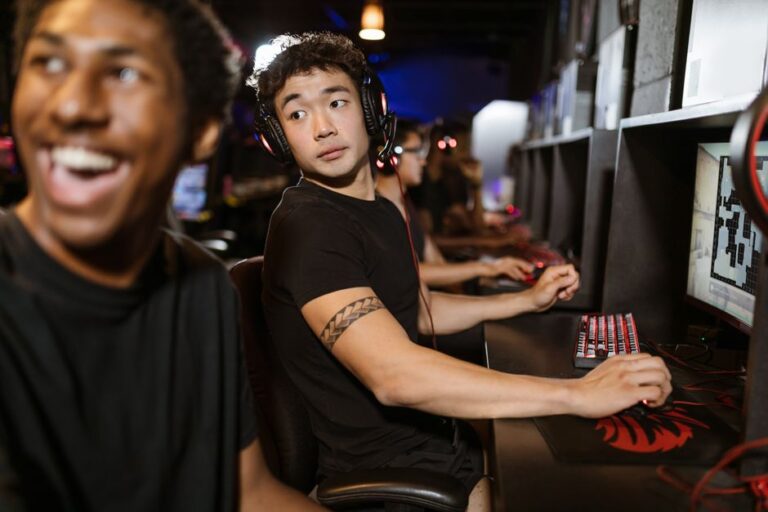
Mastering game mechanics is crucial for anyone aiming to excel in competitive gaming. Game mechanics encompass the rules and systems that govern gameplay, influencing how players interact with the game world. By understanding these mechanics, players can enhance their performance, develop strategies, and outsmart their opponents. This guide explores effective methods to master game mechanics, providing practical insights for aspiring competitive gamers.
Each game features unique mechanics that players must learn to succeed. Below are some fundamental mechanics common across many competitive games:
Mastering movement mechanics is essential in competitive games. Different genres require various movement strategies. For instance, first-person shooters often demand precise aiming and quick reflexes.
To improve your movement skills:
Understanding combat mechanics is vital for gaining an edge over your opponents. Each game has its own combat system, which may include melee attacks, ranged attacks, or special abilities.
To master combat mechanics:
Implementing effective strategies can significantly enhance your understanding and application of game mechanics. Here are some proven methods:
Regular practice is crucial for mastering game mechanics. Set aside specific times for practice, focusing on different aspects of gameplay during each session.
Consider incorporating drills that target particular skills, such as aiming or movement precision, to enhance your overall performance.
Recording and analyzing your gameplay can provide invaluable insights. Use software to capture your matches, then review them to pinpoint mistakes and areas for improvement.
Look for patterns in your gameplay that may indicate weaknesses, such as poor positioning or decision-making in combat situations.
A competitive mindset is essential for mastering game mechanics and performing well under pressure. Here are some tips to cultivate this mindset:
Maintaining a positive outlook is vital for long-term success in competitive gaming. Focus on your progress rather than just the results of individual matches.
Celebrate small victories and improvements to keep your motivation high.
Setting specific goals can help you stay focused and motivated. Aim for both short-term and long-term objectives, such as improving your aim or ranking in a competitive ladder.
Regularly reassess your goals to ensure they remain relevant and challenging.
Game mechanics are the rules and systems that govern gameplay, influencing how players interact with the game environment and each other.
Improving your gaming skills requires regular practice, analysis of your gameplay, and learning from others in the gaming community.
Yes, teamwork is crucial in many competitive games, especially in team-based formats where communication and collaboration can determine the outcome of matches.
Staying motivated can be achieved by setting achievable goals, maintaining a positive mindset, and celebrating your progress along the way.
Feedback provides insights into your gameplay, helping you identify areas for improvement and adjust your strategies accordingly.
Watching professional gamers can significantly enhance your understanding of game mechanics, strategies, and techniques. It allows you to observe high-level play, which can inspire you and provide new ideas for your own gameplay.
Finding a gaming community can be done through online forums, social media groups, and gaming platforms. Engaging with others who share your interests can provide support, resources, and opportunities for collaboration.
To analyze your gameplay, record your sessions and review them critically. Look for patterns in your decision-making, identify mistakes, and seek to understand what you could have done differently.
There are various tools available, such as game-specific training programs, performance analysis software, and community resources like guides and tutorials. Utilizing these can provide structured learning and targeted practice.
Setting goals helps you maintain focus and direction in your practice. Clear objectives allow you to measure your progress and keep you motivated as you work towards achieving them.
Community involvement can significantly enhance your gaming experience. Engaging with other players allows you to share strategies, gain feedback, and learn from collective experiences.
Maintaining motivation can be challenging. Setting small milestones, rewarding yourself for achievements, and connecting with fellow gamers can help you stay enthusiastic and committed.
Avoiding common pitfalls can improve your gameplay. Focus on not becoming overly frustrated, neglecting practice, or relying solely on luck instead of skill development.
Your mindset plays a crucial role in your performance. A positive attitude fosters resilience, while a negative outlook can hinder your ability to learn and adapt during gameplay.
Watching professional gamers can provide valuable insights into advanced strategies and techniques. Observing their gameplay can inspire you to refine your own skills and adopt new approaches.