The Complete Guide to Building Your Own Gaming PC: Essential Components and Tips for Beginners

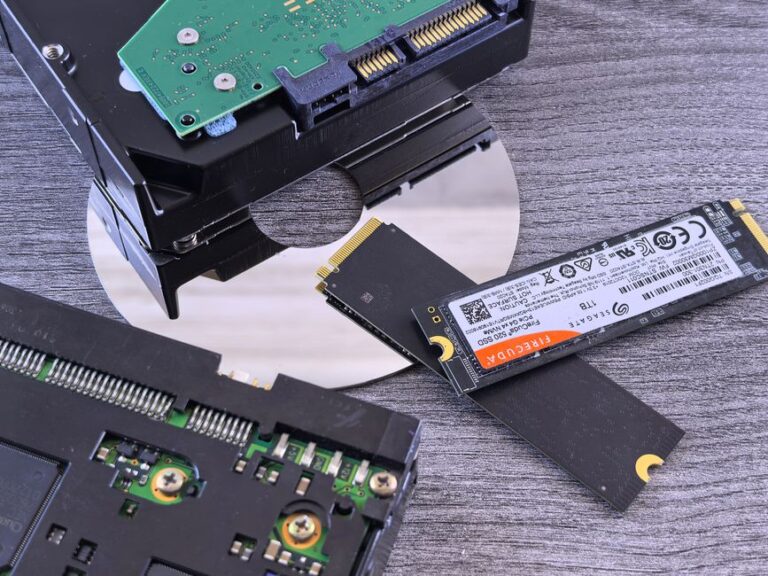
In the world of gaming, choosing the right storage solution can significantly impact your overall experience. Gamers often overlook the importance of storage type, but understanding the difference between Solid State Drives (SSDs) and Hard Disk Drives (HDDs) is essential for optimizing gameplay. This article provides a comprehensive comparison of both storage options, delving into their performance, speed, and suitability for different gaming needs. By understanding these distinctions, gamers can make informed decisions that enhance their experience and gaming efficiency.
Solid State Drives are advanced storage solutions that use flash memory to store data. Unlike traditional hard drives, SSDs have no moving parts, which leads to multiple crucial advantages in the gaming realm.
The performance advantages of SSDs in gaming are profound. Their higher read and write speeds facilitate faster data transfer rates. This translates into seamless gameplay, reduced stuttering, and fluid graphics rendering, enhancing the overall gaming experience. Imagine transitioning between different environments in a game; SSDs allow for instantaneous loading, minimizing any potential disruption to the immersive experience.
Hard Disk Drives have been the traditional storage option for many years, often found in older gaming systems. They consist of spinning disk platters that read and write data magnetically. While they offer certain advantages, there are notable disadvantages to consider, especially for gaming applications.
Despite their advantages, HDDs can present significant performance drawbacks. Games installed on an HDD may experience extended load times and increased latency during gameplay, which can detract from the overall experience. This can be particularly frustrating in fast-paced shooting games or immersive role-playing games where timing is crucial.
A direct comparison between SSDs and HDDs highlights notable disparities that can sway your choice, especially in the context of gaming performance.
In terms of load times, SSDs outperform HDDs by considerable margins. For instance, players loading a graphically intensive open-world game may find that an SSD provides an experience without the interruptions typically associated with HDDs. Such differences can enhance the sense of immersion, allowing gamers to dive straight into action.
SSDs significantly expedite the installation of large game files. This is particularly advantageous for gamers frequently acquiring new titles. Patches and updates can also be applied much faster, ensuring that your games are ready to play without the frustrating delays caused by slower drives.
While SSDs are generally more expensive per gigabyte, many serious gamers find that their performance benefits justify the cost. For those focused on performance rather than budget, the investment in an SSD can lead to a markedly improved gaming experience. In contrast, HDDs may be more suitable for users prioritizing storage capacity at an economical price point.
In conclusion, the decision between Solid State Drives and Hard Disk Drives should hinge on individual gaming needs and budget considerations. SSDs provide superior performance, speed, and durability, making them ideal for enhancing the gaming experience. However, HDDs retain their relevance for gamers looking to maximize storage capacity without overspending. By understanding the unique advantages and disadvantages of each option, players can align their choice with their gaming habits and preferences for optimal results.